


In a world where websites battle for every second of your attention, new research has unveiled a game-changing discovery: your first click could determine how long you stay engaged with a website. This first-ever study to validate the predictive power of emotion-based gesture analysis has shown that users’ initial impressions—captured through subtle interactions like clicks, scrolls, and swipes—are the key to unlocking deeper insights into user engagement.
After a rigorous 53-week experiment tracking the behavior of nearly 4,000 visitors on an e-commerce platform, the team at Emaww AI has confirmed what many suspected but no one could prove—your gestures in the first moments on a website reveal your true emotional response to it. And that response might just predict whether you'll stay or leave.
For years, companies have tracked how many people visit their site. What they couldn’t track—until now—was why those users were engaging with their platforms in the first place. Emaww's proprietary first-impression metric, built using advanced machine learning models, can now measure users' emotional responses with incredible accuracy, thanks to gesture analysis.
“We are thrilled to report that with a single input, a first-impression score derived from gestures, we can now predict user engagement with astonishing precision,” said the research team. The study’s model boasted a low error margin of 1.6 MAE (Mean Absolute Error), proving how closely its predictions align with real-world data. This level of accuracy, which was previously unheard of in the field of emotion-driven analytics, is poised to revolutionize how companies understand and cater to their audiences.
How Does It Work?
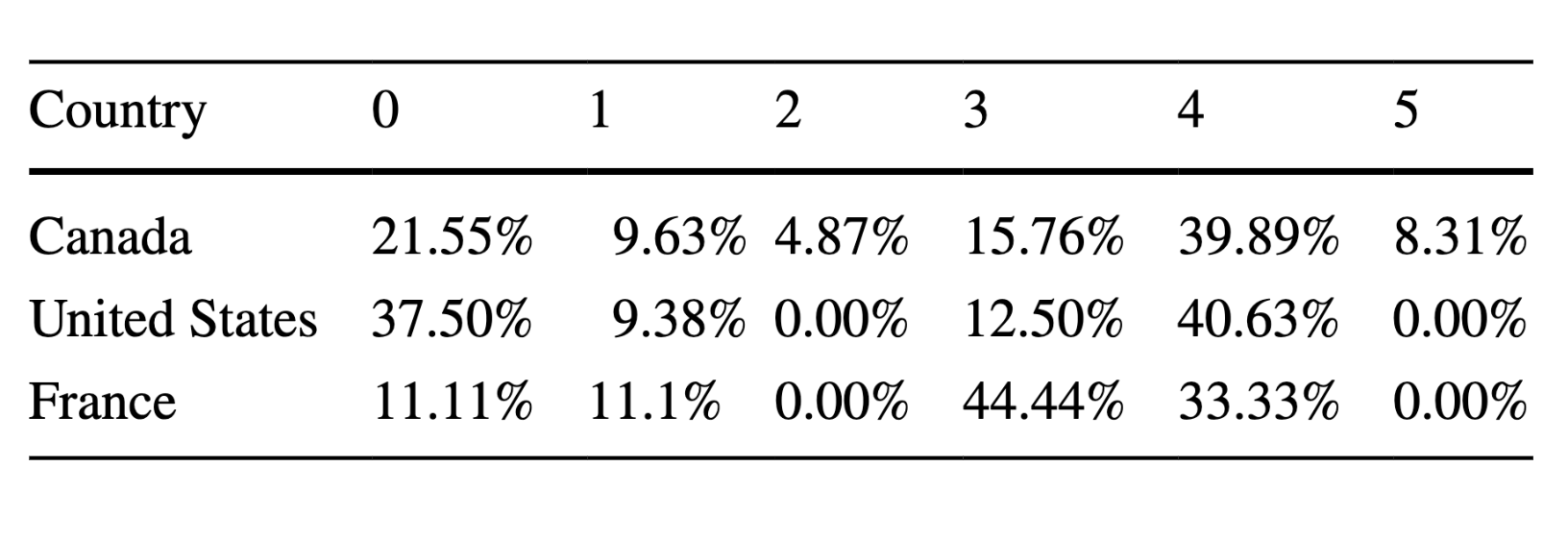
The study analyzed 3,797 unique visitors and their behaviors—such as clicking, swiping, scrolling, and tapping—on mobile and desktop platforms. These seemingly simple actions hold the key to understanding a user's emotional state as they first encounter a product or service. According to the research, five distinct levels of emotional response were identified, all of which showed a strong correlation with the user's overall experience and their likelihood of continued engagement.
It’s like reading between the lines of someone’s first impression. Your body language online is just as telling as it is in person, and we've found a way to measure it.
By decoding these emotional responses, businesses can tailor their web content to resonate more with their audience, potentially increasing sales and customer retention. Gone are the days of vague metrics like bounce rate. This breakthrough research gives platforms the ability to see exactly how their design, text, visuals, and overall layout make visitors feel—and to adjust accordingly.
A New Era for Website Design and Marketing
For e-commerce websites and online businesses, this discovery means that brands can now assess their website’s impact even before it goes live to the public. By measuring how early visitors feel about the design, text, and layout, platforms can be fine-tuned for maximum engagement before they’re even launched.
“Every platform can now evolve in real-time, based on how users respond emotionally,” said the authors. “Whether it’s tweaking the visuals, adjusting the layout, or revising the content, these insights will help shape a more personalized, emotionally intelligent digital experience for everyone.”
What’s Next?
While the study has uncovered groundbreaking results, the researchers admit there’s still room for growth. The study didn’t account for differences in age or gender, as participants didn’t share demographic information. However, future work will explore how emotional responses differ across various groups, which could further refine the personalization of websites based on demographic trends.
This first-of-its-kind insight has opened the door to a new era in web design, marketing, and customer engagement, where brands can finally understand what truly drives users from the moment they click in.
For now, one thing is clear: websites that tap into the emotional landscape of their users will not only hold their attention but also win their loyalty.